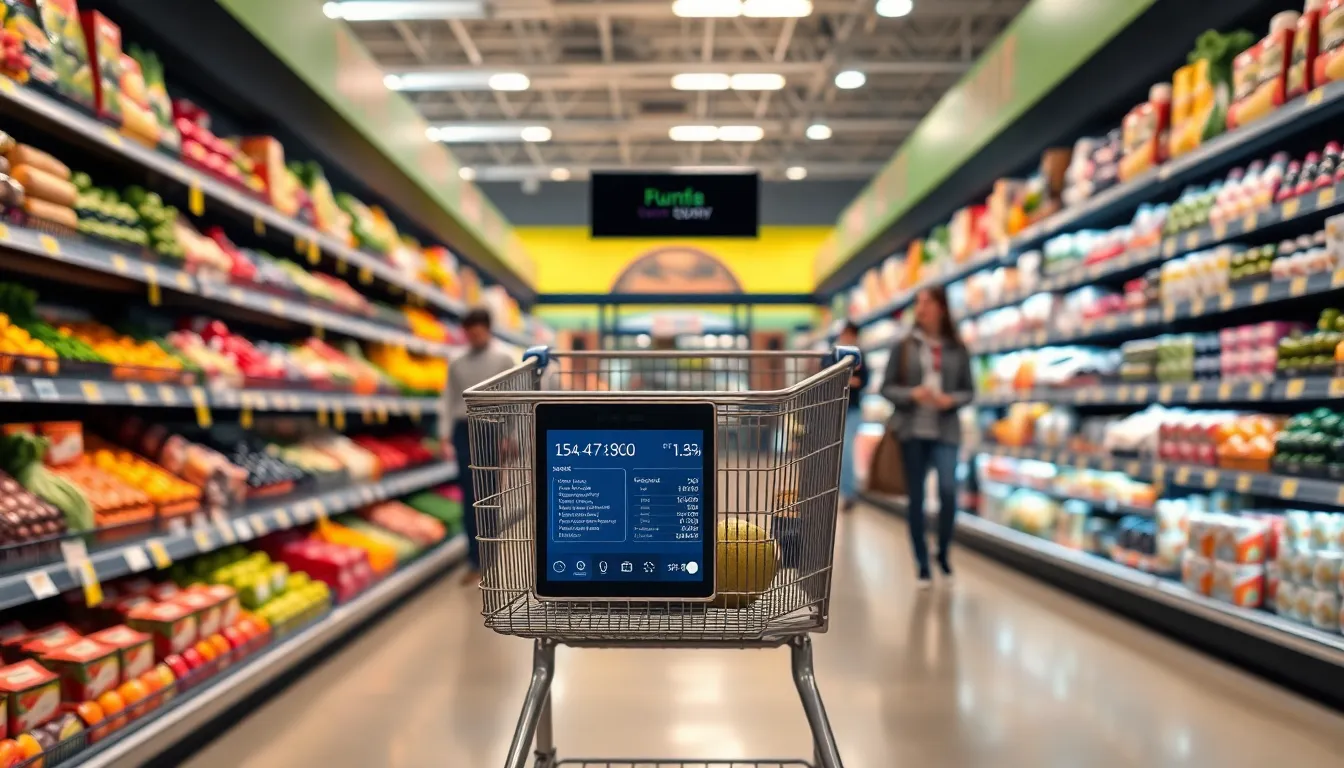
Imagine waltzing through the grocery store, your shopping cart acting like your personal assistant. It’s keeping track of your total, suggesting recipes, and even reminding you of the milk you always forget. Sounds like science fiction? Think again. Welcome to the world of smart shopping carts. These innovative devices are transforming the retail landscape by blending technology with shopping, making the experience not just simpler, but a lot more fun. So, let’s jump into what makes these carts the future of retail shopping.
What Is a Smart Shopping Cart?

Smart shopping carts are high-tech alternatives to traditional carts, equipped with various sensors, touchscreens, and connectivity features. They’re designed to enhance the shopping experience, enabling real-time updates on prices and product availability. Picture a cart that can scan items as you toss them in, keeping a running total and even suggesting related products. They can connect to store apps, allowing for personalized promotions and assistance. Essentially, smart shopping carts are a fusion of convenience and technology, aimed at making grocery shopping a breeze.
Key Features of Smart Shopping Carts
The allure of smart shopping carts lies in their impressive array of features. Here are some key highlights:
1. Integrated Scanning Technology
Forget about waiting in line, smart shopping carts often feature built-in barcode scanners. Shoppers can scan products directly as they shop, rapidly updating their totals without the hassle of a self-checkout.
2. User-Friendly Touchscreens
Most smart carts include a touchscreen interface that shows real-time information. Shoppers can view their total, search for specific items, or even read up on product details. This interactive feature adds a layer of engagement to the shopping process.
3. Navigation Assistance
Equipped with GPS-like features, these carts can help navigate the shopper through the store. They might even suggest the most efficient route to find needed items while avoiding popular bottlenecks.
4. Personalized Promotions
Smart carts can sync with store loyalty programs to provide tailored discounts. Imagine moving through the aisles and receiving alerts about deals on products you frequently buy.
5. Payment Integration
Some smart carts allow users to check out directly from the cart, reducing the need for additional checkout lanes. They seamlessly handle payments, making for a quicker and smoother transaction process.
Benefits of Using Smart Shopping Carts
The advantages of smart shopping carts go beyond mere novelty. Here’s a closer look at the benefits:
1. Enhanced Efficiency
With the ability to track spending and provide navigation assistance, these carts significantly cut down on shopping time. Less time spent in the store means more time for other activities, which is a major win for busy shoppers.
2. Improved Shopping Experience
Smart carts transform mundane grocery trips into engaging experiences. With features that suggest recipes or complementary items, shopping can feel less like a chore and more like an enjoyable outing.
3. Reduced Error Rates
Manual scanning and logging errors happen, but smart shopping carts mitigate these mistakes. By scanning items as they’re placed in the cart, they provide a more accurate total, reducing unpleasant surprises at checkout.
4. Encouragement of Impulse Buys
While traditional carts offer limited interaction, smart carts can showcase healthier options or promotional items. This strategic placement nudges shoppers toward trying new products, often benefiting both the store and the customer.
Challenges and Limitations of Smart Shopping Carts
Even though their many advantages, smart shopping carts are not without challenges. Here are some hurdles that need to be addressed:
1. Technical Issues
Like any tech gadget, smart carts can suffer from glitches. Connectivity problems may lead to frustrations, and malfunctioning features can deter customers from using them.
2. Cost Concerns
Investing in smart shopping carts can be pricey for retailers, especially for small businesses. The upfront cost of technology, maintenance, and updates can pose a significant financial challenge.
3. Customer Adaptation
Some shoppers might feel hesitant or overwhelmed by new technology, especially those unfamiliar with digital interfaces. Overcoming this resistance will require training and customer support.
The Future of Smart Shopping Carts in Retail
As technology continues to advance, the future of smart shopping carts looks promising. Here are some trends to anticipate:
1. Increased Adoption by Retailers
Retailers are increasingly recognizing the value of smart carts, with many larger stores already implementing them. This trend is likely to cascade down to smaller retailers keen on enhancing customer experience.
2. Integration with AI
The incorporation of artificial intelligence will make smart shopping carts more intuitive. Think about carts that learn shopper habits, adapting their suggestions based on previous visits, or even recommending items based on dietary restrictions.
3. Sustainability Initiatives
Smart carts may eventually lead to enhanced eco-friendly practices. Features that suggest sustainable brands or track carbon footprints could become standard, aligning with growing consumer demand for sustainability.